Hi, I’m Bastian, owner of 2theCore Home Inspections, an InterNACHI Certified Master Inspector (CMI) and NC licensed home inspector #5461. From my home base in Cape Carteret, I inspect homes all over coastal North Carolina: Jacksonville, New Bern, Swansboro, Emerald Isle, Morehead City, Beaufort, Atlantic Beach, Sneads Ferry, Holly Ridge, and Hubert.
I love living and working here. But the same salt breeze and water views that draw people to the coast are hard on houses. A coastal home inspection in NC isn’t the same as an inland one. Here’s what I look for, and why it matters before you buy.
1. Salt Air Corrosion: The Slow, Silent Damage
Salt air gets into everything. Close to the ocean or sound, I regularly see:
- HVAC condenser coils with corroded, flaking fins. That cuts efficiency and can shorten the unit’s life by years.
- Fasteners, hurricane straps, and joist hangers rusting through, especially under raised homes where the salt air sits.
- Electrical panels and disconnects with corroded lugs, breakers, and bus bars. Corrosion in a panel is a safety problem, not just a cosmetic one.
I check exterior equipment closely and open the main panel when it’s safe to do so. Rust that looks small on the outside can be much worse inside.
2. Humidity, Crawlspace Moisture, and Mold Risk
Our humid summers and high water tables make damp crawl spaces a top concern. I look for standing water, wet or missing vapor barriers, damp insulation, sagging ductwork, condensation on pipes, high wood moisture readings, and visible microbial growth.
When there’s a concern, or when you just want peace of mind, 2theCore offers mold testing. I’m IAC2 certified, and samples go to an accredited lab for analysis, so you get real data, not guesses. To be clear, I test and report; I don’t do mold remediation (and I don’t recommend ozone treatments). Keeping testing separate from remediation means my findings have no conflict of interest.
3. Wind-Driven Rain, Roofing, and Flashing
Coastal storms push rain sideways and even upward. Roofs that would do fine inland can leak here. I pay close attention to:
- Lifted, creased, or missing shingles
- Flashing at chimneys, walls, skylights, and roof-to-wall joints
- Windows and doors, where wind-driven water likes to get in
- Siding laps, trim, and sealant joints
- Attic signs of past leaks, like stained sheathing or rusty nails
Small flashing problems are cheap to fix early and very expensive after years of hidden water damage.
4. Homes on Pilings and Structural Connections
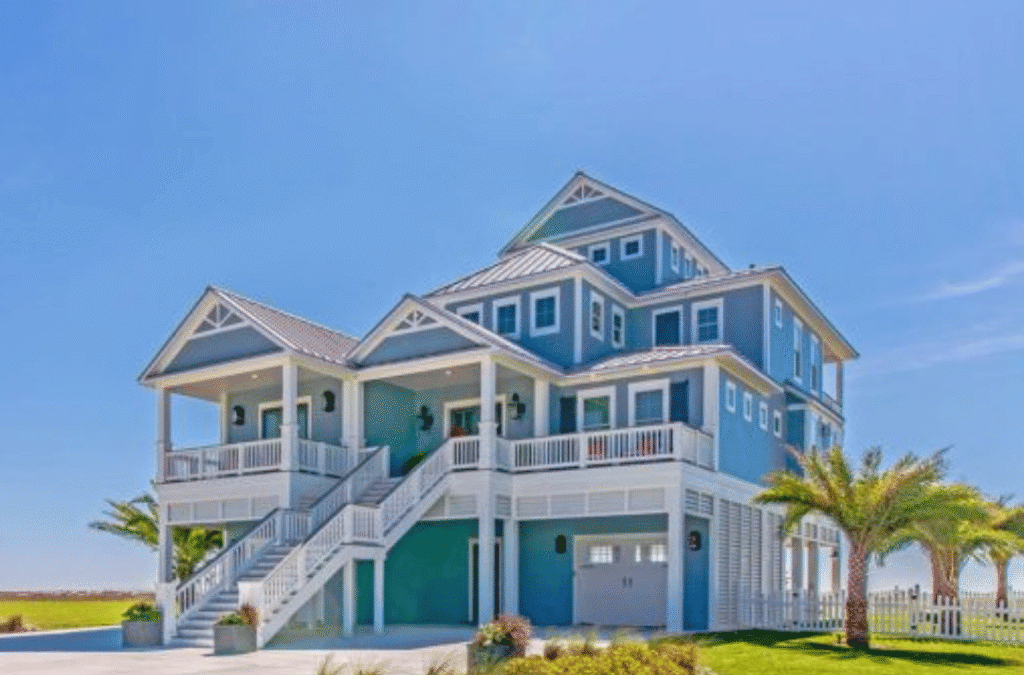
Many homes from Emerald Isle to Sneads Ferry sit on pilings. They’re built for flood and storm conditions, but only if the parts hold together. I check for:
- Piling rot, splits, insect damage, or erosion around the base
- Rusted or missing bolts and connectors between pilings, beams, and girders
- Out-of-level framing or signs of movement
- Condition of stairs, decks, and railings, which take a beating out here
The connections are what keep a raised house together in high wind. That’s why I spend real time underneath.
5. Signs of Past Flooding
I can’t tell you a home’s official flood risk, but I can point out what the house shows: water lines on framing or foundation walls, silt in the crawlspace, newer drywall or flooring only on lower areas, rust on lower parts of appliances and equipment, and moisture-damaged materials.
For flood-zone questions, check the FEMA Flood Map Service Center and talk with an insurance agent early. Flood insurance costs can change the math on a coastal home.
6. Wood-Destroying Insects
Warm, damp coastal conditions are perfect for termites and other wood-destroying insects. During the inspection I watch for mud tubes, damaged wood, frass, and conditions that attract insects, like wood-to-soil contact and moisture. Many lenders need a separate wood-destroying insect report, so plan for that too.
7. Septic vs. Sewer
Plenty of coastal homes are on septic, and sandy soils plus high water tables can make systems struggle. Find out which system the home has. If it’s on septic, consider a septic inspection by a licensed septic professional.
If it’s on city sewer, I recommend our sewer scope inspection ($300). I run a camera through the main line to look for root intrusion, cracks, bellies, and offsets, problems you can’t see from inside the house and that are costly to repair.
8. Radon
People are often surprised that radon shows up in North Carolina, coastal areas included. It’s an odorless, radioactive gas and the leading cause of lung cancer in non-smokers. The only way to know the level is to test. I offer radon testing for $199 with a continuous monitor.
9. Second Homes That Sit Closed Up
Vacation homes and rentals often sit closed up for weeks or months. With no one around, small problems grow: slow plumbing leaks, HVAC that’s off and lets humidity climb, pests moving in, and drains drying out. I run systems, check fixtures, and look for the moisture problems that come with an empty house. If you’re buying a second home, a careful inspection matters even more because you won’t be there to catch issues early.
Frequently Asked Questions
How is a coastal home inspection in NC different from a regular inspection?
The standards are the same, but I focus more on coastal problems: salt air corrosion, crawlspace moisture, wind-driven rain, pilings and structural connections, and signs of past flooding.
Can you tell me whether a home is in a flood zone?
I report visible signs of past water intrusion, but official flood zones come from the FEMA flood map. Talk with an insurance agent about coverage and cost.
Do you remove mold if you find it?
No. I do IAC2-certified mold testing with lab analysis so you have unbiased results. If remediation is needed, you can hire an independent remediation company.
Book Your Coastal Home Inspection
Buying on the coast is exciting, so go in with your eyes open. Whether it’s a raised beach house in Emerald Isle, a family home in Jacksonville, or a waterfront place in Beaufort, I’ll give you a thorough, clear report you can actually use.
Book your home inspection with 2theCore today
— Bastian, InterNACHI CMI, NC Licensed Home Inspector #5461, 2theCore Home Inspections